
Our Shopify eCommerce Working Methodology
This comparison between WooCommerce vs Shopify is based on practical testing, performance evaluation, and real-world store behavior. The focus was on speed, usability, scalability, and conversion performance. At iHost, the goal is to help businesses in Pakistan choose the right eCommerce platform without confusion or technical bias.
Each platform was tested in real store environments including product uploads, checkout flow, and plugin performance. This WooCommerce vs Shopify analysis focuses on what actually works for startups, growing brands, and professional online businesses in 2026.
Key Takeaways
Shopify delivers simplicity, speed, and a fully managed system. WooCommerce provides flexibility, customization, and full control over hosting and design. In this WooCommerce vs Shopify comparison, both platforms perform strongly but serve different business needs.
For beginners, Shopify reduces technical effort. For advanced users, WooCommerce allows deeper customization. The iHost evaluation shows that the best choice depends on business goals, technical skills, and long-term growth strategy.
- WooCommerce’s pricing can range anywhere from $4 to $480 per month depending on the domain, hosting, plugins, and website templates you choose.
- Shopify’s plans range from $29 to $299 per month. Lots of powerful features are included in the price and it can be customized further with apps.
- Shopify has the best sales features. If you sell in person, Shopify is the only option that includes a POS machine.
- Shopify’s setup tools makes it quick and easy to add a large inventory, whereas WooCommerce requires coding and third-party hosting and domain purchase.
- WooCommerce provides more customization for those with technical skills.
We Updated Shopify Store Optimization 2026 – See What’s New
Recent updates improved Shopify automation tools and enhanced WooCommerce performance with better plugin stability. These changes have made the WooCommerce vs Shopify decision more balanced than ever before.
At iHost, continuous updates are tracked to ensure businesses get the most accurate platform insights. Both systems now offer stronger speed, improved security, and better integration options for modern eCommerce stores.
What’s the difference between Shopify and WooCommerce?
Shopify is a fully hosted platform that includes security, hosting, and maintenance. WooCommerce is a WordPress-based system that requires separate hosting and setup. In the WooCommerce vs Shopify comparison, Shopify focuses on convenience while WooCommerce focuses on flexibility.
Shopify allows instant store setup with minimal configuration. WooCommerce requires more setup time but offers deeper control over customization. The iHost perspective highlights that both solutions serve different types of business owners.
Shopify vs WooCommerce: Comparison Table
| Feature | Shopify | WooCommerce |
|---|---|---|
| Setup Process | Quick and beginner-friendly | Requires technical setup |
| Hosting | Fully managed | Requires separate hosting |
| Pricing Model | Monthly subscription | Flexible cost structure |
| Customization | Limited control | Full customization freedom |
| Security | Built-in protection | Managed by user or hosting provider |
| Maintenance | Fully handled | User-managed |
| Scalability | Automatic scaling | Depends on hosting quality |
| Support | 24/7 direct support | Community and hosting-based support |
This WooCommerce vs Shopify comparison table helps businesses quickly understand which platform fits their needs without confusion.
1. Best for Pricing: WooCommerce
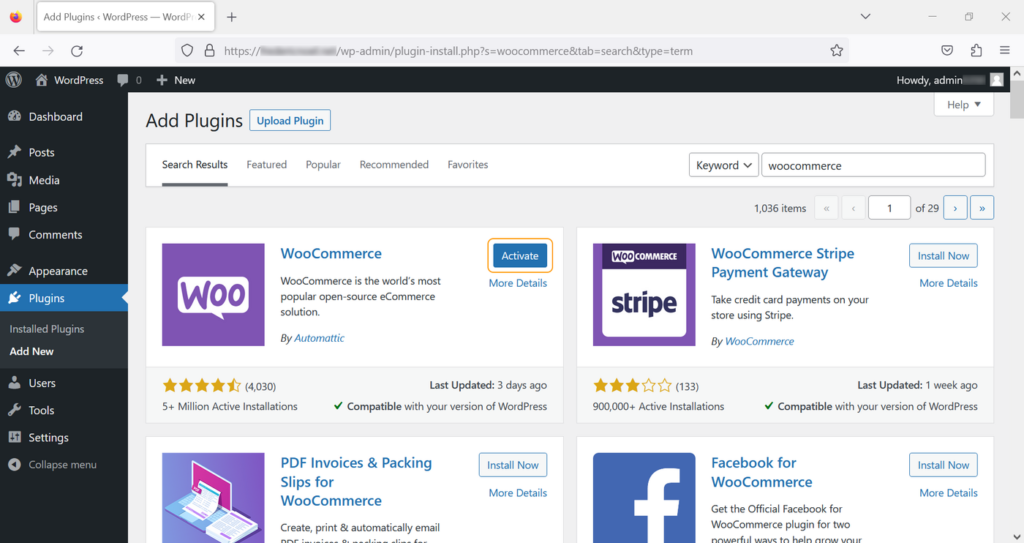
WooCommerce offers flexible pricing because users control hosting, plugins, and extensions. This allows businesses to start small and scale gradually. In the WooCommerce vs Shopify comparison, WooCommerce is often more cost-efficient long term.
The Winner
WooCommerce wins pricing flexibility because it removes fixed subscription pressure. Businesses can choose resources based on budget and growth stage.
WooCommerce flexible pricing helps your business
WooCommerce allows full control over expenses including hosting and features. This makes it suitable for startups and growing brands looking for cost optimization.
2. Best for Sales Features: Shopify
Shopify provides advanced built-in sales tools such as inventory tracking, checkout optimization, and multi-channel selling. These features reduce dependency on additional tools.
The Winner
Shopify leads due to its all-in-one sales system designed for fast conversions and smooth operations.
Shopify sales features improve store performance
Shopify simplifies order management, shipping setup, and payment integration, making it highly efficient for online sellers.
3. Best for Marketing Integrations: Shopify
Shopify offers built-in marketing tools including email automation, analytics, and social media integration. These features help stores grow faster.
The Winner
Shopify wins due to its complete marketing ecosystem that supports business expansion.
Shopify marketing tools support growth
Shopify connects easily with advertising platforms and customer tracking systems for better marketing performance.
4. Best for Setting Up: Shopify
Shopify allows quick store setup without coding knowledge. Users can launch a store in a short time using guided steps.
The Winner
Shopify leads because it reduces setup time and technical complexity significantly.
Shopify setup process is simple
The platform offers a smooth onboarding experience that helps beginners start selling quickly.
5. Best for Store Design: Shopify
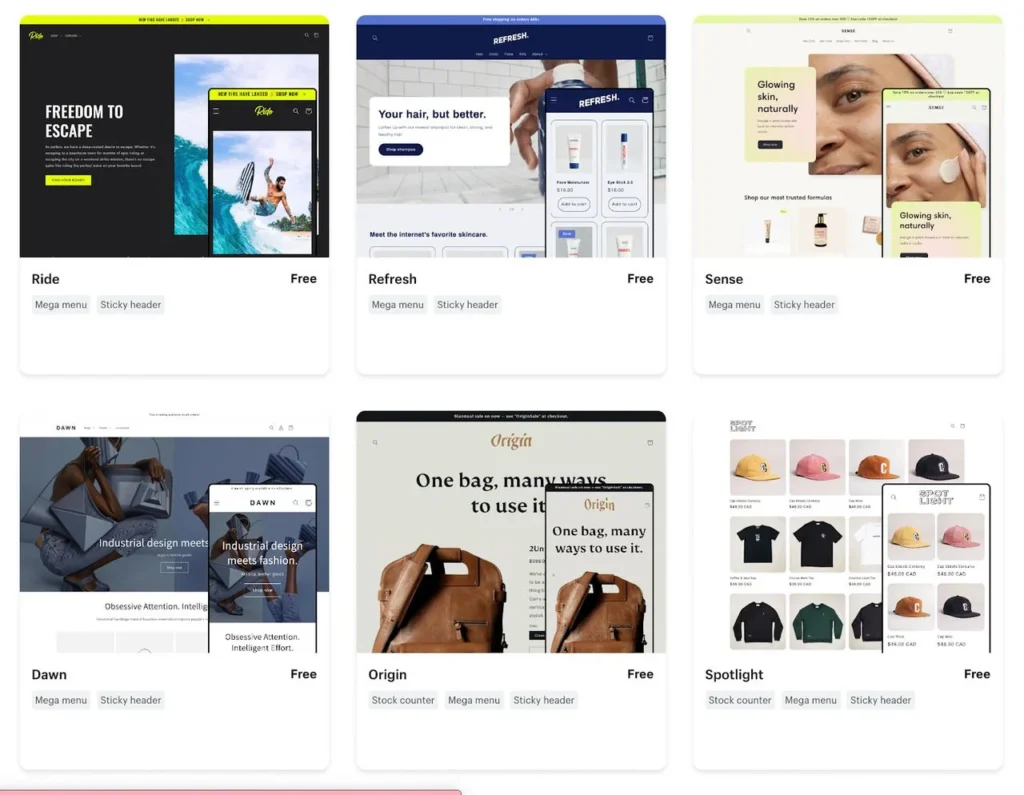
Shopify provides modern and responsive templates that enhance brand presentation and user experience.
The Winner
Shopify wins due to professionally designed themes optimized for conversions.
Shopify themes improve brand identity
Templates automatically adjust for mobile and desktop devices, ensuring a consistent shopping experience.
6. Best for Store Security: Shopify
Shopify manages security, SSL, and system updates automatically, reducing risk for store owners.
The Winner
Shopify leads due to fully managed security infrastructure.
Shopify protects your store automatically
Built-in protection systems reduce vulnerability and keep customer data safe.
7. Best for Help and Support: Shopify
Shopify offers direct 24/7 support for technical and business issues.
The Winner
Shopify wins because of reliable and instant customer support.
Shopify support helps businesses grow
Users receive quick assistance for setup, troubleshooting, and optimization.
How Can I Switch Between the Platforms?
Switching between Shopify and WooCommerce requires migration of products, customers, and store data. Proper planning ensures SEO and data safety. At iHost, structured migration strategies are recommended for smooth transitions.
How To Choose an Ecommerce Platform
The right choice depends on business goals, technical skills, and budget. Shopify is ideal for simplicity, while WooCommerce is better for customization. The iHost recommendation focuses on long-term scalability and business stability.
How We Tested Shopify and WooCommerce
Testing was conducted using real store setups, performance analysis, and feature comparisons. Speed, usability, and conversion efficiency were key evaluation factors used in this WooCommerce vs Shopify study.
Final Verdict
Shopify is best for simplicity and fast launch, while WooCommerce is best for flexibility and control. The iHost conclusion is clear: both platforms are powerful, but the right choice depends entirely on business needs and growth strategy.