
Introduction
A strong online presence begins with a properly optimized website. Many businesses publish quality content regularly, yet they still struggle to achieve higher Google rankings because they ignore technical seo fundamentals. A complete technical seo audit helps identify hidden problems like slow loading speed, broken links, crawl errors, and mobile usability issues that quietly damage search visibility. Modern websites need clean architecture, fast performance, and secure browsing experiences to compete effectively in today’s digital market. Professional technical seo services improve website structure and help search engines crawl pages more efficiently. When businesses fix technical issues early, they create better user experiences, stronger organic traffic, and long-term ranking growth in competitive search results.
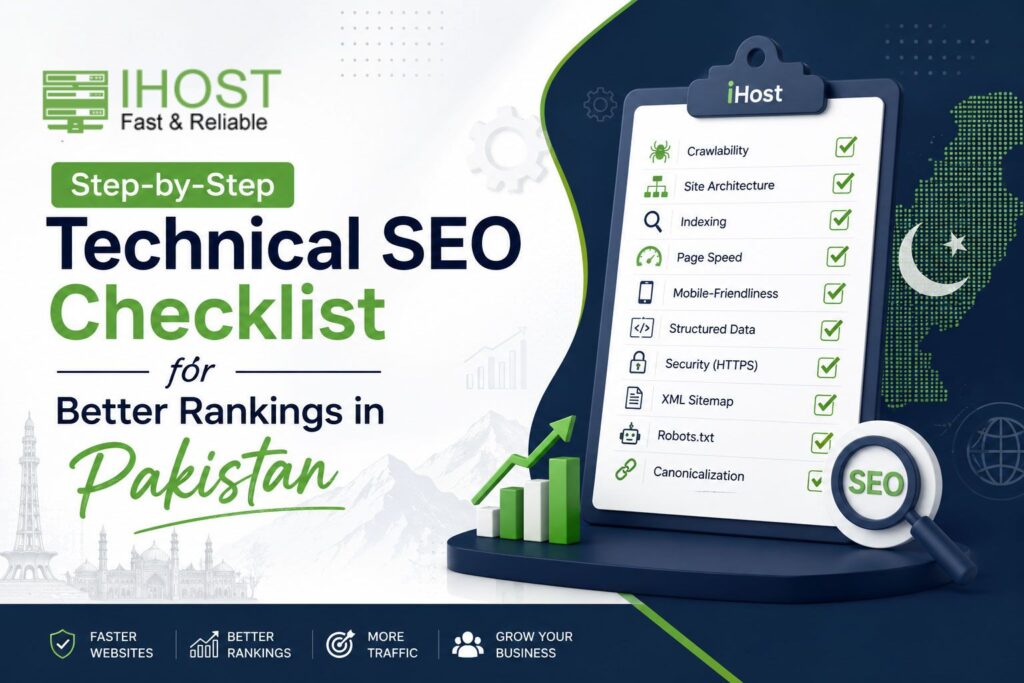
Key Takeaways
Technical SEO is the foundation for ranking; without it, even great content can’t perform.
Fix crawling and indexing issues first to make sure search engines can access your pages.
Site speed and mobile optimization are important for both rankings and user experience.
Structured data and clean site architecture improve visibility and rich results.
HTTPS is a must for trust and ranking potential.
Use tools like Google Search Console, PageSpeed Insights, and Screaming Frog to monitor and fix issues.
Technical SEO and content SEO work together. Start with technical fixes, then focus on high-quality content.
Consistency is key in monitoring, and updates ensure long-term SEO success.
You can publish great content every week.
You can invest in backlinks.
You can run ads.
But if your website’s technical structure is weak, growth will always hit a ceiling.
According to Backlinko, Google processes around 8.5 billion searches per day.
At the same time, Google research shows that 53% of mobile users leave a site that takes longer than 3 seconds to load.
Now connect the dots.
If your site is slow, hard to crawl, or poorly structured, Google struggles to rank it. If Google struggles, traffic drops. If traffic drops, conversions follow.
That is why a proper technical SEO checklist is not optional. It is the foundation.
What Is Technical SEO and Why Does It Matter?
Understanding Technical SEO Basics
- Definition of technical SEO
- Difference between on-page SEO and technical SEO
- How search engines crawl and index websites
- Why businesses in Pakistan need strong technical SEO foundations
Benefits of Technical SEO for Better Rankings
- Faster website performance
- Improved user experience
- Better mobile usability
- Higher search visibility
- Increased organic traffic
- Stronger website security and trust
Why Technical SEO is Important?
Technical SEO is about improving the behind-the-scenes parts of your website so search engines can easily find, organize, and understand your content. It is mainly concerned with your site’s structure, not with writing, keywords, or backlinks.
Search engines use technical signals to judge websites. If these signals are weak or inconsistent, your rankings can drop or change often.
Step-by-Step Technical SEO Checklist for Better Rankings
Technical SEO lays the foundation for your site’s visibility by ensuring search engines can efficiently crawl, understand, and index your content. Use this actionable, chronological checklist to build a robust website architecture and secure better search rankings.
Use HTTPS for Website Security
- Importance of SSL certificates
- HTTPS as a Google ranking factor
- Fixing mixed content issues
- Redirecting HTTP to HTTPS properly
Improve Website Loading Speed
- Why speed affects rankings and conversions
- Compressing images
- Browser caching techniques
- Minifying CSS, JavaScript, and HTML
- Using lightweight themes and plugins
- Choosing reliable hosting in Pakistan
Optimize for Mobile Devices
- Mobile-first indexing explained
- Responsive website design
- Mobile-friendly navigation
- Improving mobile page speed
- Testing with Google Mobile-Friendly Test
Fix Crawl Errors and Broken Links
- Understanding crawlability
- Checking 404 errors
- Fixing redirect chains
- Resolving server errors
- Using Google Search Console
Create and Optimize XML Sitemap
- What an XML sitemap does
- Best sitemap practices
- Submitting sitemap to Google Search Console
- Keeping sitemap updated automatically
Optimize Robots.txt File
- How robots.txt works
- Preventing indexing mistakes
- Allowing search engine bots correctly
- Common robots.txt errors to avoid
Improve URL Structure
- SEO-friendly URL examples
- Using keywords naturally
- Short and readable URLs
- Avoiding unnecessary parameters
Optimize Core Web Vitals
- Understanding LCP, INP, and CLS
- Improving visual stability
- Faster interactivity optimization
- Tools for measuring Core Web Vitals
Use Structured Data Markup
- What schema markup is
- Rich snippets and SEO benefits
- FAQ schema
- Article schema
- Local business schema for Pakistani businesses
Eliminate Duplicate Content Issues
- Why duplicate content hurts rankings
- Using canonical tags correctly
- Managing WWW and non-WWW versions
- Avoiding copied content problems
Strengthen Internal Linking Structure
- Benefits of internal links
- Improving website navigation
- Passing link authority effectively
- Using descriptive anchor text naturally
Optimize Images for Technical SEO
- Image compression methods
- Using ALT text properly
- WebP image format benefits
- Lazy loading images for speed
Improve Website Architecture
- Creating a clean website hierarchy
- Category and subcategory optimization
- Breadcrumb navigation benefits
- Making pages easy to reach
Monitor Indexing and Coverage Issues
- Using Google Search Console reports
- Identifying excluded pages
- Requesting indexing manually
- Fixing indexing problems quickly
Perform Regular Technical SEO Audits
- Importance of routine SEO audits
- Checking website health monthly
- Monitoring broken links and redirects
- Keeping plugins and themes updated
Best Technical SEO Tools for Pakistani Websites
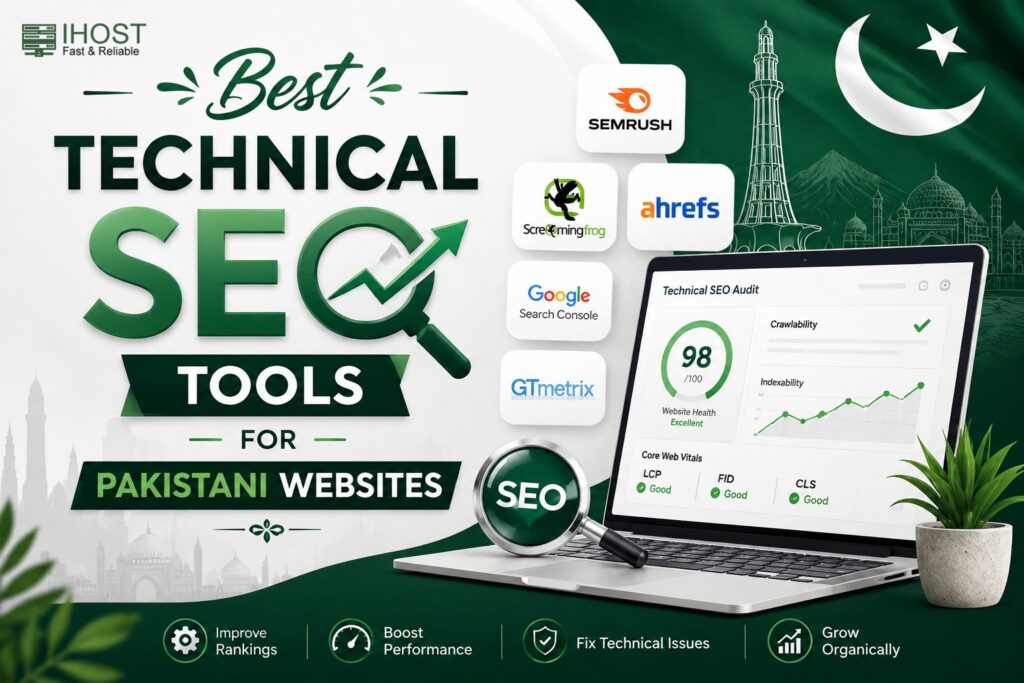
Essential Tools for Technical SEO Success
- Google Search Console
- Google PageSpeed Insights
- Screaming Frog SEO Spider
- Ahrefs
- SEMrush
- GTmetrix
- Bing Webmaster Tools
| Tool | Purpose |
|---|---|
| Google Search Console | Monitor indexing and SEO issues |
| GTmetrix | Analyze website speed |
| Ahrefs | Backlink and site audit analysis |
| Screaming Frog | Technical crawling and audits |
| SEMrush | SEO monitoring and reporting |
Common Technical SEO Mistakes That Hurt Rankings
SEO Errors You Should Avoid
- Slow hosting services
- Poor mobile responsiveness
- Broken internal links
- Missing meta tags
- Incorrect canonical tags
- Duplicate content
- Blocking important pages in robots.txt
- Ignoring Core Web Vitals
Technical SEO Tips for WordPress Websites
WordPress Technical SEO Optimization
- Best SEO plugins for WordPress
- Optimizing WordPress speed
- Securing WordPress websites
- Managing XML sitemaps automatically
- Reducing unnecessary plugins
Why Technical SEO Is Important for Businesses in Pakistan
Growing Online Visibility in Competitive Markets
- Increasing local search rankings
- Improving customer trust
- Better website performance for Pakistani users
- Competing effectively in local search results
- Enhancing conversions and lead generation
Final Thoughts on Technical SEO Checklist for Better Rankings
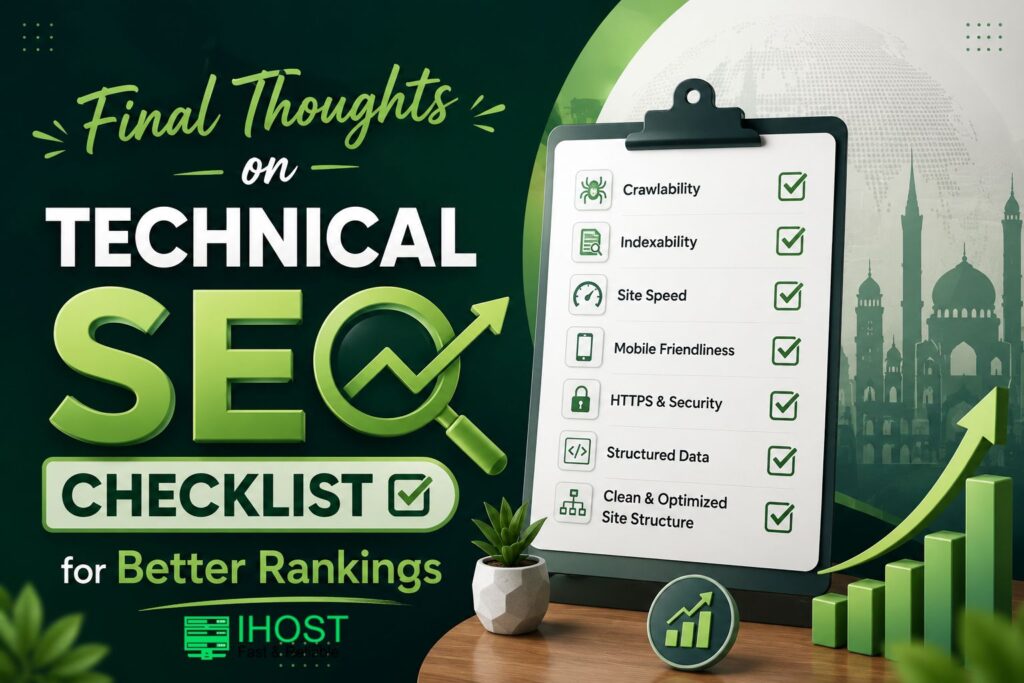
Building Long-Term SEO Success
- Importance of continuous optimization
- Technical SEO as a long-term investment
- Combining technical SEO with content marketing
- Staying updated with Google algorithm changes
FAQs
1. What is technical SEO and why is it important for website performance?
Technical SEO refers to optimizing a website’s backend structure so search engines can easily crawl, index, and rank it. It improves site speed, mobile usability, security, and overall performance, helping both users and search engines access your content efficiently.
2. What are the most important elements in a technical SEO checklist?
Key elements include site speed optimization, mobile-friendly design, proper indexing, XML sitemap, robots.txt configuration, HTTPS security, structured data markup, fixing broken links, and improving Core Web Vitals.
3. How does site speed affect SEO rankings?
Site speed is a ranking factor. Faster websites provide a better user experience, reduce bounce rates, and improve engagement, which can positively impact search engine rankings.
4. What are Core Web Vitals in technical SEO?
Core Web Vitals are performance metrics that measure user experience on a webpage. They focus on loading speed, interactivity, and visual stability to ensure a smooth browsing experience.
5. How can I improve my website’s loading speed?
You can improve loading speed by compressing images, enabling browser caching, minimizing CSS and JavaScript files, using a content delivery network (CDN), and choosing reliable hosting.